Turn Trading Fees
Into Profits With Backcom.io
Stop losing money on What Is. By combining both exchange execution and cashback programs , you can now recover up to 100% of your trading fees on leading Crypto Exchange and Forex brokers
Forex Brokers List

Exness
Refferal/Partner Code:
Backcom:
100%
Payment:
Daily
Mechanism:
Up to $14.4/Lot
XM
Refferal/Partner Code:
Backcom:
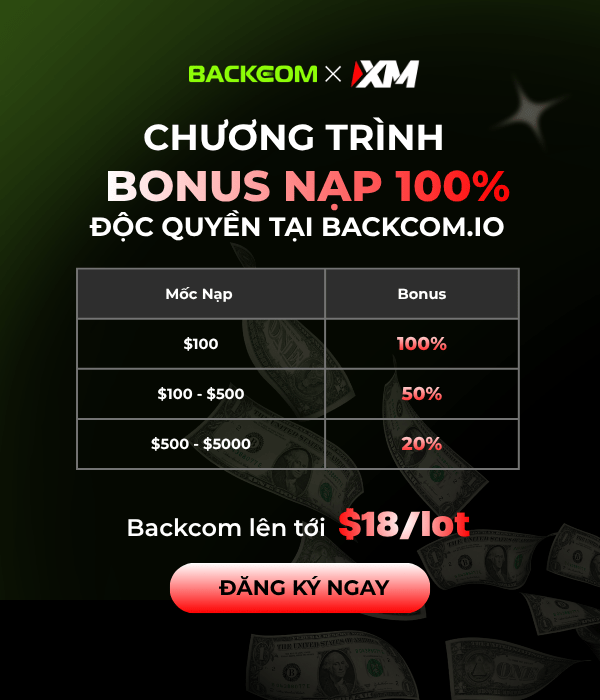
100%
Payment:
Daily
Mechanism:
Up to $18/Lot

HFM
Refferal/Partner Code:
Backcom:
100%
Payment:
Daily
Mechanism:
Up to $18/Lot

Vantage
Refferal/Partner Code:
Backcom:
100%
Payment:
Daily
Mechanism:
Up to $13/Lot

ECMarkets

VTMarkets
Refferal/Partner Code:
Backcom:
100%
Payment:
Daily
Mechanism:
Lên tới $12
Bonus:

Ultima
Refferal/Partner Code:
Backcom:
100%
Payment:
Daily
Mechanism:
Up to $22.4/Lot
Crypto Exchange List

OKX
Refferal/Partner Code:
Fee Rebate:
50%
Automatic Rebate:
20% Hourly
Weekly Rebate:
30% on Monday
Bonus:
Bybit
Refferal/Partner Code:
Fee Rebate:
50%
Automatic
-
Weekly Rebate:
50% on Monday
Bonus:

BingX
Refferal/Partner Code:
Fee Rebate:
50%
Automatic Rebate:
50% Daily
Weekly Rebate:
-
Bonus:

Binance
Refferal/Partner Code:
Fee Rebate:
30%
Automatic Rebate:
-
Weekly Rebate:
30%
Bonus:
No

fees
Refferal/Partner Code:
Fee Rebate:
50%
Automatic Rebate:
20% Daily
Weekly Rebate:
30%
Bonus:

MEXC
Refferal/Partner Code:
Fee Rebate:
50%
Automatic Rebate:
20% Daily
Weekly Rebate:
30%
Bonus:
No

Gate.io
Refferal/Partner Code:
Fee Rebate:
60%
Automatic Rebate:
20% Daily
Weekly Rebate:
40%
Bonus:
No

Kucoin
Refferal/Partner Code:
Fee Rebate:
60%
Automatic Rebate:
60% hằng ngày
Weekly Rebate:
-
Bonus:
No
What Is Backcom?
Backcom (Back Commission) is a Forex and Crypto trading fee cashback program. Traders receive a portion of the trading fees back through the broker’s Introducing Broker (IB) partner.
Backcom.io is a leading trading fee rebate service in the market, partnering with numerous reputable major brokers. By registering with Backcom, you will receive the highest possible cashback rates with no time limits.
How Do We Rebates You?
When you register through an Influencer or KOL referral link, most of the trading fees you generate become their commission, and and none of it is returned to the trader..
Even if you register directly with the broker without a partner code, the exchange keeps the entire trading fee, meaning traders receive no cashback at all..
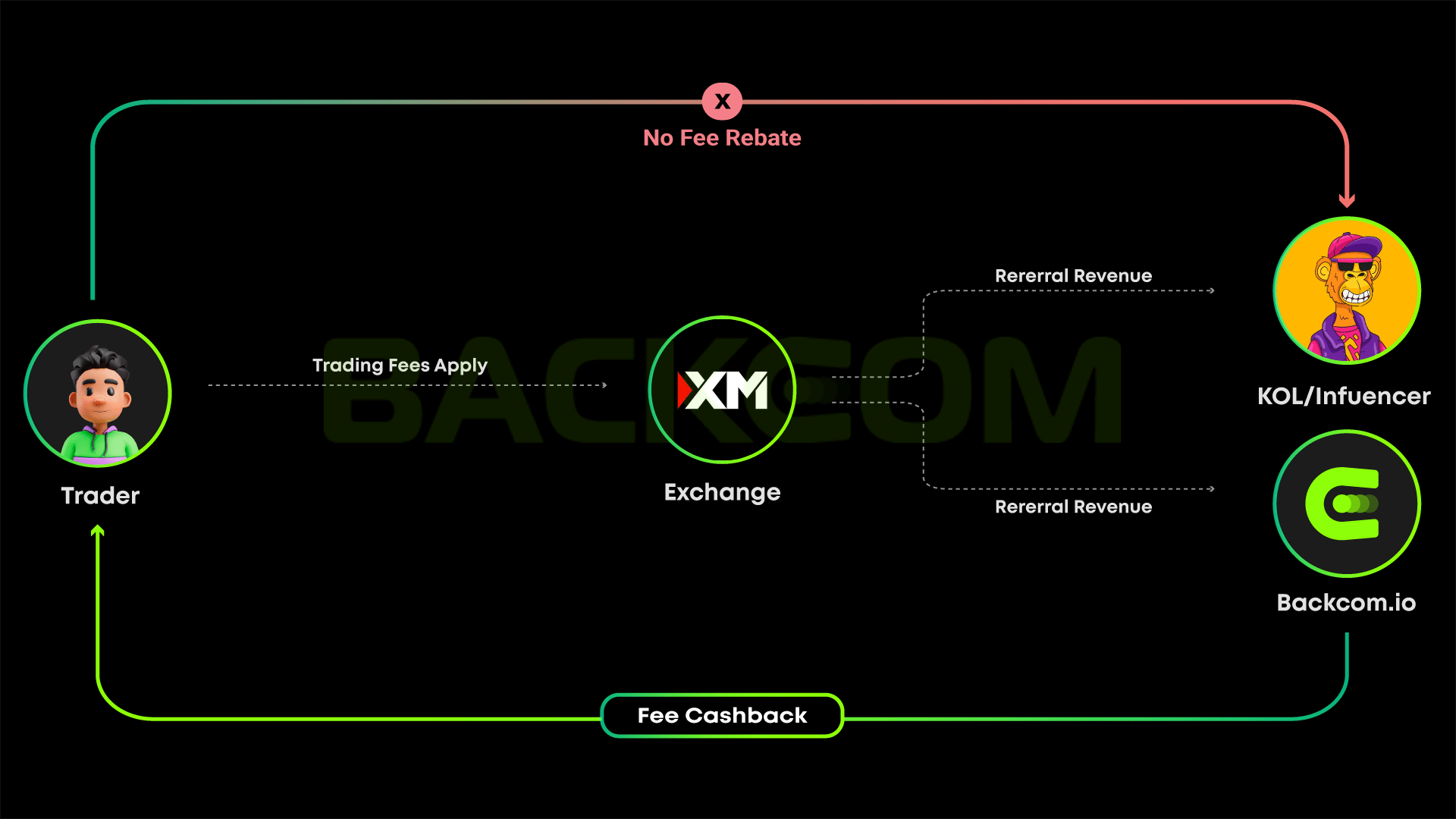
As an official partner of major exchanges, Backcom.io receives higher referral commissions than standard influencer programs. Rather than keeping these commissions, we share a significant portion back with traders as trading fee cashback. This model enables consistent, transparent, and reliable cashback for every trade.
Giải Pháp Tối Ưu Chi Phí Giao Dịch
Hoàn Phí Lên Tới 100%
Toàn bộ hoa hồng từ sàn được hoàn trả 100% về tài khoản của bạn, Backcom.io sẽ không giữ lại bất kỳ khoản nào.
Mức Hoàn Phí Cao Nhất Thị Trường
Backcom.io là đối tác chính thức của Binance, OKX, Bybit, XM, Exness – đảm bảo uy tín và mức hoàn phí cao nhất thị trường.
Mỗi Giao Dịch Phát Sinh Đều Được Hoàn Phí
Đối với chúng tôi, uy tín luôn được đặt lên hàng đầu. Chúng tôi cam kết minh bạch toàn bộ dữ liệu trong quá trình hoàn phí.
Theo Dõi Minh Bạch
Mọi thông tin hoàn phí được cập nhật real-time — tra cứu lịch sử hoàn phí dễ dàng ngay trên Website và Backcom App.
Cashback Process
Start earning cashback in just 3 simple steps. Register once and receive lifetime rebates!

Create An Account
Register a trading account on any exchange using Backcom.io's referral code or partner link to activate the cashback feature.
Link Your UID
Connect your exchange UID to the Backcom App so the system can automatically calculate and credit rebates to you. See guide here.
Trade & Receive Cashback
Once cashback is successfully activated, simply trade as usual and receive full rebates. Every trade, no matter how small (from $0.01), will be rebated.
Why Choose Backcom.io?
Supports 20+ Trading Platforms
We are the official partner of over 20 leading global Crypto and Forex brokers, delivering superior cashback rates you won’t find anywhere else.
Lifetime Cashback Fees
Full lifetime rebates with no minimum volume requirement. Every trade you make is automatically rebated at 100%.
Multiple Payment Methods
We support various cashback payout methods, including on-chain transfers, internal broker transfers, and more options coming soon.
Private Club
Exclusive access to the Private Club — where you receive in-depth market analysis and real-time breaking news to make sharper, more confident trading decisions.
24/7 Support
Backcom.io’s team is available 24/7 to support you, answering all questions and concerns regarding trading and cashback processing.
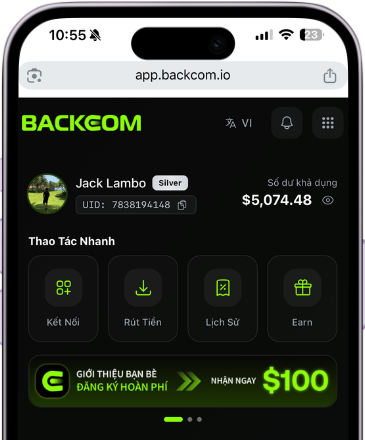
Backcom App
All-in-one Cashback App.
Trusted By Smart Traders
Discover why thousands of traders choose Backcom.io to reduce trading costs and maximize profits!






Is Backcom.io Legit and Trustworthy?
How Do I Receive Trading Fee Rebates from Backcom.io?
Each Forex or Crypto exchange has a slightly different registration and rebate activation process. However, there are generally two main ways to get started:
Method 1For traders who do not yet have an account. Simply open a new account using Backcom.io’s referral link or enter our referral code during registration to start receiving trading fee rebates.
Method 2: For traders who already have an existing account. You can request to transfer your referral/IB (Introducing Broker) to Backcom.io. The process varies by exchange — some platforms allow easy referral transfers, while others may require contacting support or following specific instructions.
On the Backcom.io homepage, go to the Exchange List section to view detailed instructions on how to activate rebates for each supported exchange.
What Is the Rebate Rate on Backcom.io?
How Long Does It Take to Receive My Rebates?
In short: Register once – earn rebates forever,as long as you keep trading and the exchange continues to support the program. Thousands of traders have been receiving stable rebates for years without any issues.
Why Should I Get Trading Fee Rebates Through Backcom.io?
Example with Crypto:
You trade futures on Bybit or Binance and generate 100 USDT in trading fees..
- Without Backcom: You pay the full 100 USDT. 100 USDT.
- With Backcom: You receive 50–60 USDT in rebates..
Your actual trading cost is reduced to just 40–50 USDT, saving you instantly.
Rebates are credited automatically on a daily or weekly basis to your Backcom account. You can compound your earnings or withdraw to your wallet at any time.
Why Choose Backcom.io?
- One of the highest rebate rates in the market.
- Supports major exchanges: Binance, Bybit, OKX, BingX, and more.
- Transparent, long-term, and no hidden fees.
Register once – save forever.
Are There Any Additional Fees When I Register?
Backcom.io’s trading fee rebate service is completely free of charge. There are no hidden fees and no additional conditions that affect your trading account, transactions, or funds.